Living with arthritis frequently entails dealing with uncertainty. You may feel good when you wake up one morning, but your joints may feel weak, uncomfortable, and stiff the next day. In actuality, one in five Canadians, or over 6 million adults, suffer from arthritis, and many of them have worse morning symptoms. Even seemingly simple tasks like holding a cell phone, tying your shoelaces, or getting out of bed can suddenly take a lot more time and effort. And honestly, it’s not just physical. When pain sticks around, it messes with your mood and confidence, too.
That’s where physiotherapy really comes into the picture. With the right care, your joints don’t have to control your day. With consistent movement, guidance, and support, a lot of people start feeling looser, stronger, and more confident moving around again.
Arthritis is basically when your joints get irritated, inflamed, or worn down over time. It can show up at any age, though yeah, it’s more common as we get older.
You’ve probably heard of a few types already:
As arthritis progresses, that smooth cushioning between your joints starts thinning out. Movement feels rougher, stiffer, and sometimes painful. Early on, people usually notice morning stiffness, swelling, or aches that hang around longer than they used to. Ignore it for too long, and everyday movement starts feeling heavier than it should.
When joints hurt, you naturally move less. But when you move less, muscles weaken. And when muscles weaken, joints take even more stress. It’s a bit of a vicious loop.
Things like walking for long periods, sitting too long, lifting groceries, or even writing can feel tiring. Over time, people start avoiding movement because, well, pain. But that avoidance actually makes stiffness worse.
Physiotherapy for arthritis isn’t about pushing through pain or doing crazy workouts. It’s about helping your body move better, safely.
A physiotherapist works on things like:
Instead of just covering up pain, the goal is to help your body handle movement better overall.
At New Health Physio, we don’t just look at your joints—we look at you. Your pain, your routine, your habits, your goals. Arthritis physiotherapy treatment isn’t some fixed plan pulled off a shelf.
You’ll usually see things like:
And as your body changes, the plan changes too. Nothing stays rigid.
We regularly help people dealing with:
Each joint behaves differently, so the approach adjusts to match.
If you continue with physiotherapy, many people report improved strength around sore joints, smoother movement, and less stiffness in the morning. Day-to-day tasks feel easier. Confidence slowly comes back. And that feeling of “I can’t do this anymore” starts fading a bit. Small wins add up, honestly.
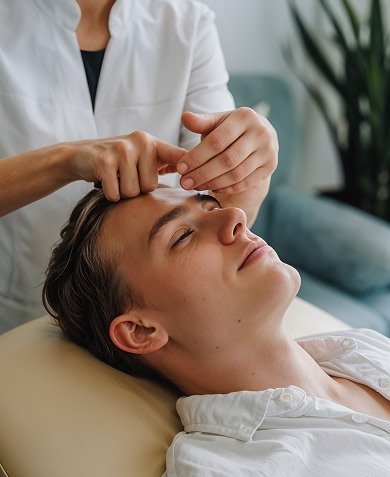
Your first session usually feels more like a conversation than a workout. The physio checks how you move, looks at your diagnosis, and figures out what your body actually needs. From there, you’ll follow a plan that evolves as you improve. You’ll also get simple home exercises—nothing fancy, just practical stuff that fits into real life.
Physiotherapy works well if you’re in the early stages of arthritis, dealing with long-term joint pain, recovering from an injury or surgery, or just trying to stay active as you get older. Age doesn’t really matter here. Movement matters.
Yeah, it can. Better movement and stronger muscles take pressure off sore joints.
Depends on the person, but many start noticing changes within a few weeks.
Yes. Everything stays controlled and adjusted to what your joints can handle.
That depends on your condition and progress. The physio guides you through it.
New Health Physio offers safe and personalised arthritis care, helping to reduce joint pain. Our licensed physiotherapists work one-on-one with you, treating you gently according to your comfort and mobility level.
We follow evidence-based and proven treatment methods with a strong focus on long-term relief. Call us and take your first step towards moving confidently.
© 2026 New Health Physiotherapy & Rehab. All Rights Reserved. Site Map | XML Site Map